Learn how to measure tread depth, spot uneven wear, and stay safe on the road.
Tires play a critical role in your vehicle’s safety, especially with changing road conditions. From wet spring roads to summer heat, proper tire maintenance helps ensure good traction, handling, and braking performance. Knowing how to check your tire tread and recognize wear patterns can help you catch issues early and avoid unsafe driving conditions.
How to Check Tire Tread Depth
Tread depth affects how well your tires grip the road, especially in rain. As tread wears down, your stopping distance increases and your risk of hydroplaning goes up.
Here are a few simple ways to check your tread:
• Use the penny test: Insert a penny into the tread with Lincoln’s head facing down. If you can see the top of his head, your tread is too low
• Look for tread wear indicators: These are small bars built into the tire grooves. If they are flush with the tread, it’s time to replace the tire
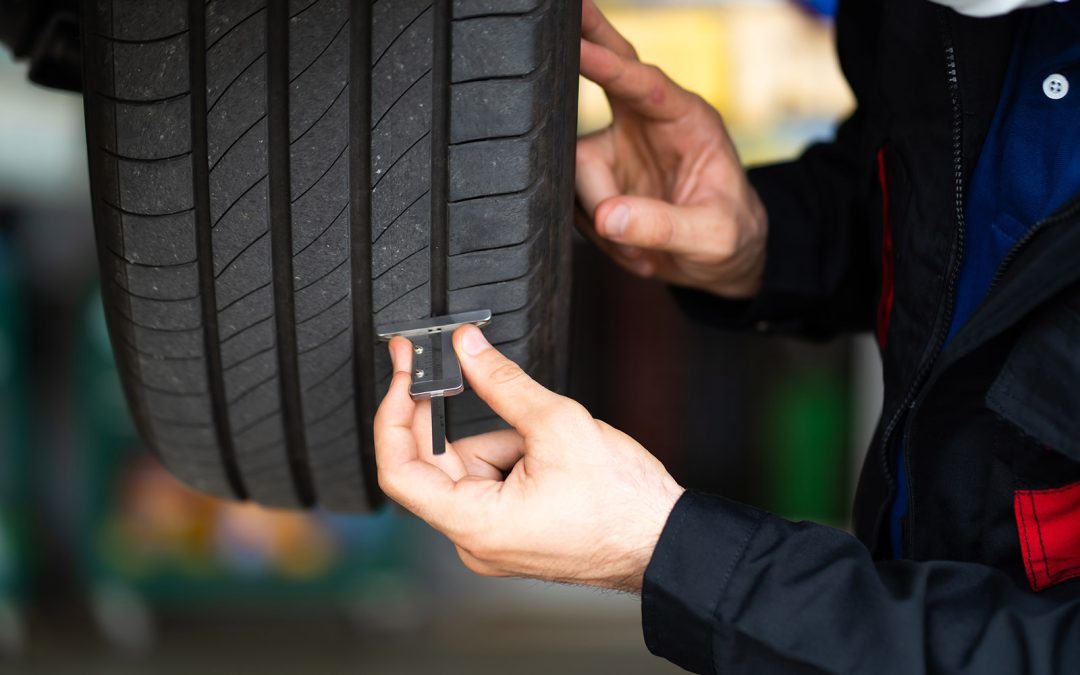
• Use a tread depth gauge: This tool provides a precise measurement. Tires should generally be replaced at 4/32 of an inch or lower
• Check multiple spots: Measure across different areas of the tire to catch uneven wear
Regular tread checks are a key part of routine car maintenance and help ensure your vehicle stays safe in all driving conditions.
Common Tire Wear Patterns to Watch For
Tire wear is not always even. Different patterns can point to specific issues with your vehicle.
Here are some of the most common types of tire wear:
• Center wear: The middle of the tire wears faster than the edges, often caused by overinflation
• Edge wear: Both outer edges wear down more quickly, usually due to underinflation
• One-sided wear: One edge of the tire is more worn than the other, which may indicate poor alignment
• Cupping or scalloping: Uneven dips around the tire can be a sign of suspension problems
• Patchy wear: Random worn spots may be caused by improper balancing or worn components
If you notice any of these patterns, it is a good idea to have your vehicle inspected to prevent further damage.
Signs It’s Time to Replace Your Tires
Even if your tread depth looks acceptable, there are other warning signs that your tires may need to be replaced.
Watch for the following:
• Tread depth at or below 4/32 of an inch
• Cracks in the sidewall or visible damage
• Bulges or bubbles on the tire surface
• Frequent loss of tire pressure
• Vibrations while driving that do not go away after balancing
• Tires older than six years, even if they appear in good condition
Replacing worn tires at the right time helps maintain safe handling, especially during rain and sudden stops.
Tips to Extend Tire Life
Proper maintenance can help you get the most out of your tires and improve overall vehicle performance.
Consider these simple tips:
• Check tire pressure monthly and keep it at recommended levels
• Rotate your tires every 5,000 to 7,000 miles
• Schedule regular wheel alignments
• Avoid aggressive driving, such as hard braking and rapid acceleration
• Inspect your tires regularly for damage or uneven wear
Taking these steps can help extend tire life and reduce the likelihood of unexpected issues.
Schedule a Professional Tire Inspection
While basic checks can be done at home, some tire issues require a trained eye. Uneven wear, alignment problems, or suspension concerns can be difficult to diagnose without proper equipment.
For drivers in Central Ohio, Harris Automotive can perform a thorough tire inspection and recommend the best course of action to keep your vehicle safe and reliable.
Contact Harris Automotive Blacklick or Harris Automotive Westerville today to schedule your tire inspection or replacement service.