Understand what different fluid colors and smells can reveal about potential vehicle problems.
Noticing a puddle or stain under your car can be concerning, but the color and smell of the fluid can provide helpful clues about what is going on. Different systems in your vehicle rely on specific fluids to function properly, and leaks can lead to bigger problems if left unaddressed. For drivers in the Columbus area, understanding these warning signs can help you take action early and avoid costly repairs.
Clear or Slightly Brown Fluid
In some cases, what looks like a leak may not be a problem at all. Clear fluid is often just water from your air conditioning system.
Here is what to look for:
• Clear and odorless: Typically condensation from the A/C system
• Appears on warm days: More noticeable during humid weather
• Location: Usually near the front passenger side
If the fluid is clean and has no smell, it is likely normal. However, if it appears oily or has a tint, it could indicate something else.
Dark Brown or Black Fluid
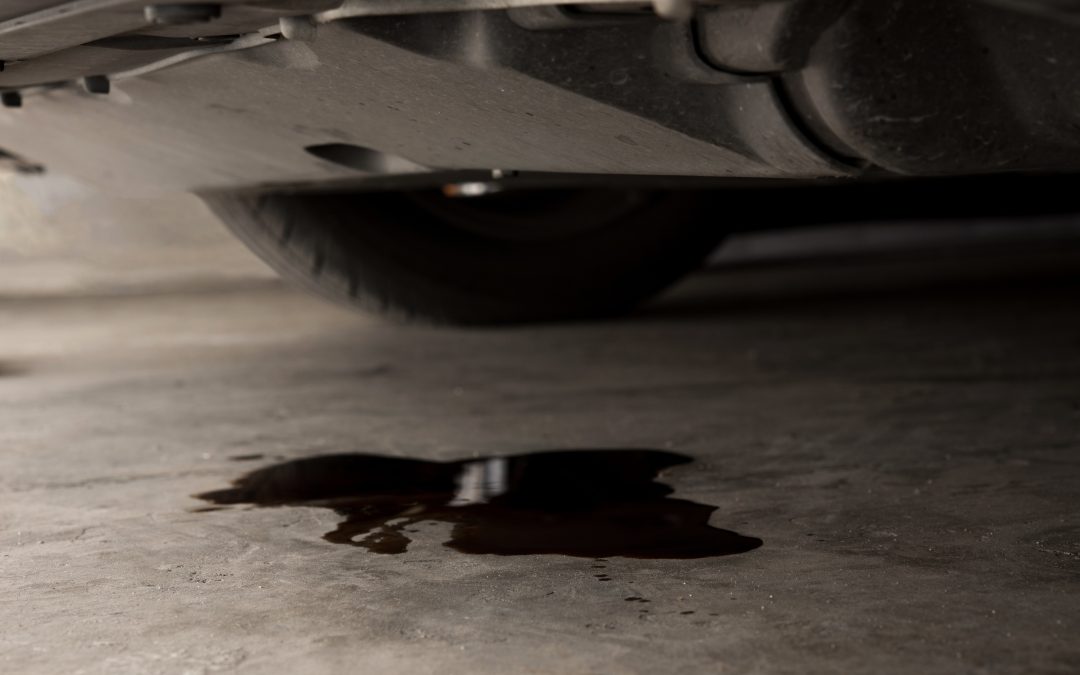
Dark brown or black fluid is usually engine oil, one of the most common leaks in vehicles.
Signs of an oil leak include:
• Color: Dark brown to black
• Texture: Slick and greasy
• Smell: Mild or slightly burnt odor
Oil leaks can come from worn gaskets, seals, or the oil pan. If ignored, low oil levels can lead to engine damage, so it is important to address these leaks quickly.
Reddish Fluid
Red or reddish fluid is often associated with your transmission or power steering system.
Common characteristics include:
• Color: Bright red when new, darker red or brown as it ages
• Texture: Smooth and slightly oily
• Smell: Slightly sweet or burnt if overheated
A transmission fluid leak can affect shifting performance, while a power steering leak may make steering more difficult. Both should be inspected as soon as possible.
Green, Yellow, or Orange Fluid
These colors typically indicate a coolant leak, which is important for regulating engine temperature.
Watch for these signs:
• Color: Bright green, yellow, or orange depending on the type
• Texture: Thin and watery
• Smell: Sweet, almost syrup-like odor
Coolant leaks can come from hoses, the radiator, or the water pump. If your engine loses coolant, it can overheat and cause serious damage.
Clear to Light Brown with a Sharp Smell
Brake fluid leaks are less common but more serious, as they directly affect your ability to stop safely.
Here is what to note:
• Color: Clear to light brown
• Texture: Slightly oily but thinner than motor oil
• Smell: Sharp, somewhat chemical odor
Brake fluid leaks may be caused by worn seals or damaged lines. If you notice this type of fluid or experience a soft brake pedal, your vehicle should not be driven until it is inspected.
What to Do If You Notice a Leak
Identifying the fluid is a helpful first step, but it is just as important to take action.
Keep these tips in mind:
• Check where the fluid is coming from under your vehicle
• Monitor fluid levels regularly
• Avoid driving if the leak is severe or affects braking or steering
• Clean the area if possible to track new leaks more easily
Even small leaks can turn into larger repairs if left untreated.
Schedule a Professional Inspection
While color and odor can help narrow down the issue, a proper diagnosis often requires a professional inspection. Leaks can originate from different components, and identifying the exact source is key to fixing the problem correctly.
For drivers in the Columbus area, Harris Automotive can inspect fluid leaks, identify the cause, and perform the necessary repairs to keep your vehicle running safely.
Contact Harris Automotive Blacklick or Harris Automotive Westerville today to schedule a fluid leak inspection and service.