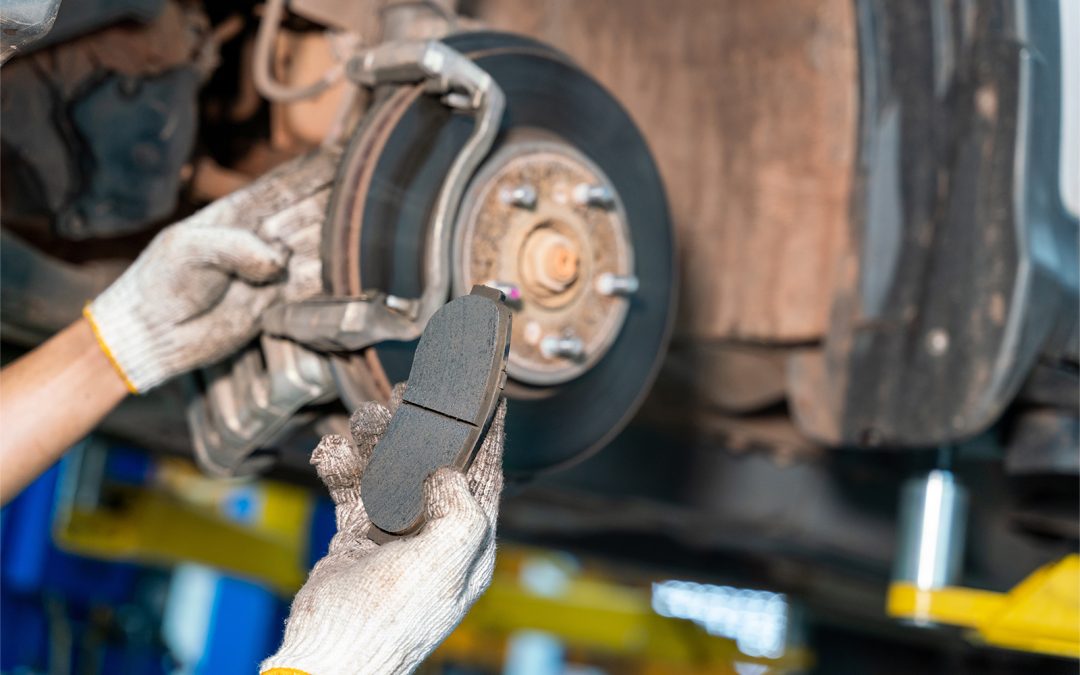
Winter can leave behind hidden vehicle damage, making a post-winter inspection essential for safe spring driving.
Freezing temperatures, snow, ice, potholes, and road salt can all take a toll on important systems and components. Completing a winter damage check helps identify issues early and keeps your vehicle running safely and efficiently. Here are some of the most important areas to check after the cold weather season.
Tires, Suspension, and Brakes
Winter driving conditions often create extra wear on your tires, suspension, and brakes. Potholes, icy roads, and fluctuating temperatures can all affect how these systems perform.
When inspecting your tires, look for the following:
- Uneven or excessive tread wear
- Cracks, cuts, or bulges in the sidewall
- Low or inconsistent tire pressure
- Vibrations while driving
Your suspension system can also be affected by winter road conditions. Signs of suspension problems may include:
- A rough or bouncy ride
- Steering that pulls to one side
- Clunking sounds when driving over bumps
- Poor handling or reduced control
Brake components may also experience additional wear due to moisture and road salt. Watch for these warning signs:
- Squealing or grinding noises
- A soft or vibrating brake pedal
- Reduced stopping power
- A vehicle that pulls when braking
Inspect Your Battery
Cold weather can significantly affect battery performance. Low temperatures reduce battery power and can make it harder for your vehicle to start.
After winter, it is a good idea to check for:
- Corrosion around the battery terminals
- Loose or damaged cables
- Slow engine starts
- Dimming headlights during startup
Most batteries last between three and five years, so testing your battery during spring maintenance can help avoid unexpected breakdowns.
Check Fluids and Filters
Seasonal car maintenance should also include inspecting your vehicle’s essential fluids and filters. Winter driving can cause fluids to break down faster and filters to collect debris.
Key fluids to inspect include:
- Engine oil
- Brake fluid
- Coolant
- Transmission fluid
- Windshield washer fluid
Filters that may need attention include:
- Engine air filter
- Cabin air filter
Replacing dirty filters helps maintain airflow and can improve engine performance and interior air quality.
Check for Undercarriage Rust
Road salt helps improve winter driving safety, but it can also contribute to undercarriage rust. During winter, salt and moisture collect on the underside of your vehicle and can lead to corrosion over time.
Because the undercarriage is not always visible, rust can develop without drivers noticing right away. Having the underside of your vehicle cleaned and inspected after winter can help remove salt buildup and catch early signs of corrosion before they become more serious problems.
Examine Your Wipers and Lights
Winter weather can wear down windshield wipers and reduce their effectiveness. Snow, ice, and road debris may cause the rubber blades to crack or lose flexibility. If your wipers leave streaks or skip across the windshield, it may be time to replace them.
You should also check that all exterior lights are working properly. Headlights, brake lights, and turn signals are essential for visibility and communication with other drivers. As spring in the Columbus area often brings rain, functioning wipers and lights are important for maintaining safe driving conditions.
Schedule a Professional Post-Winter Vehicle Inspection
Some winter damage can be hard to detect without a professional inspection. A post-winter vehicle check can reveal issues like brake wear, suspension damage, or early undercarriage rust.
For Columbus-area drivers, Harris Automotive can perform a thorough winter damage check to help ensure your vehicle is ready for spring.
Contact Harris Automotive today to schedule your post-winter vehicle inspection.